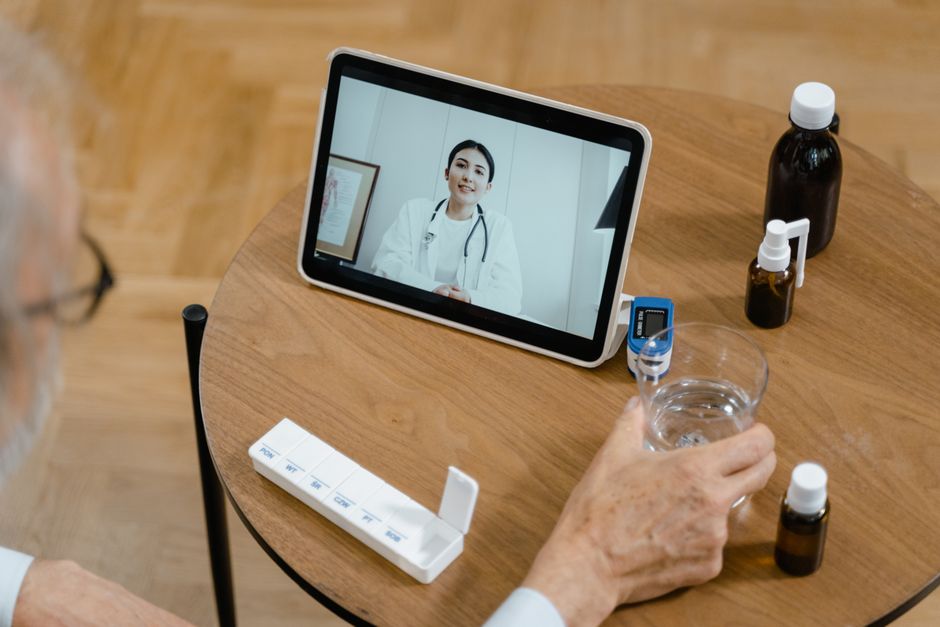
A dental clinic in Koramangala, Bangalore tracked their incoming calls for two weeks last quarter. The results were uncomfortable: 34% of calls during peak hours (10 AM to 1 PM) went unanswered. That translated to roughly 12 missed calls per day. Of those, their follow-up analysis showed 4-5 were new patient inquiries. people actively looking to book. At an average first-visit value of 2,500 INR, the clinic was silently bleeding 10,000-12,000 INR per day in potential revenue. Not because they were bad at dentistry. Because their one receptionist was already on another call.
This isn't unusual. It's the norm. The average Indian healthcare clinic misses 30-40% of incoming calls during peak hours. Every missed call is a potential new patient lost to the clinic down the road, an existing patient frustrated enough to switch, or a revenue-generating appointment that simply never gets booked. Voice AI changes this equation entirely. not by replacing your team, but by ensuring no call goes unanswered regardless of how many ring simultaneously.
"The average Indian healthcare clinic misses 30-40% of incoming calls during peak hours. Every missed call is a potential new patient lost to the clinic down the road."
What Voice AI Actually Does in a Clinical Setting
Voice AI in healthcare goes far beyond the robotic IVR systems patients have learned to hate. Those old systems force callers through numbered menus: "Press 1 for appointments, press 2 for billing, press 3 to hear your options again." Modern healthcare voice AI is fundamentally different. It understands natural speech, interprets clinical intent, handles complex scheduling logic, and maintains the warm, conversational tone patients expect from their healthcare provider.
In practice, here is what happens: a patient calls at 9 PM on a Sunday. The AI answers in the language the patient speaks. Hindi, Tamil, Marathi, English, or code-switching between them. The patient says something like "mujhe kal subah dentist se milna hai, meri filling nikal gayi." The AI understands: this is an urgent-ish dental concern (lost filling), the patient wants a morning appointment tomorrow, and this should be classified as a restorative procedure needing 30-45 minutes. It checks the doctor's Monday morning availability, offers two options, confirms the booking, sends a WhatsApp confirmation with the clinic address and preparation instructions, and the entire interaction takes 90 seconds. No hold music. No "we'll call you back." No lost patient.
The technology processes calls in real-time, making decisions about appointment types, urgency levels, and routing. It handles the repetitive tasks that consume 70-80% of front desk time. appointment booking, rescheduling, confirming, giving directions, answering insurance questions, and sharing operating hours. For anything it cannot handle. complex complaints, emotional patients, clinical emergencies. it transfers to a human immediately with full context of what was discussed.
Key Capabilities That Matter for Indian Clinics
The capabilities that matter most in the Indian context are specific and practical. Multilingual understanding is non-negotiable. patients in a Mumbai clinic might call in Hindi, Marathi, Gujarati, or English, often mixing languages mid-sentence. The AI needs to handle this without asking the caller to "please speak in English." Beyond language, today's systems handle appointment scheduling across multiple providers and locations, insurance and TPA verification during the call, prescription refill requests and medication queries, post-procedure check-in calls (automated outbound), recall campaigns for patients overdue for check-ups, payment collection via UPI links sent during or after the call, and emergency triage routing based on symptom description. A multi-specialty clinic in Pune running voice AI reported that 78% of their routine calls are now handled end-to-end without human intervention. Their receptionist's job shifted from answering phones to managing complex patient relationships and in-clinic experience. work that actually requires a human.
"78% of their routine calls are now handled end-to-end without human intervention. Their receptionist's job shifted from answering phones to managing complex patient relationships."
The technology has matured past the "novelty" phase. We are no longer talking about a fun demo that fails in production. These systems handle real clinical scheduling logic: Dr. Sharma only does implants on Tuesdays and Thursdays, new patient exams need 45 minutes not 30, this patient's last visit was a root canal so they might be calling about post-op sensitivity. This contextual intelligence is what separates modern voice AI from the chatbots of five years ago.
Implementation: What Works and What Doesn't
The clinics that fail with voice AI share a common mistake: they try to deploy it for everything on day one. Full replacement of the front desk, handling complex complaints, managing walk-in coordination. all at once. This approach produces poor patient experiences and frustrated staff who feel undermined. The clinics that succeed start narrow and expand gradually.
The proven implementation sequence looks like this. Week one: deploy for after-hours calls only. Patients calling between 7 PM and 9 AM get the AI. This is low-risk because the alternative was voicemail anyway. The AI books appointments, answers basic questions, and logs urgent messages for morning follow-up. Staff arrive to find 5-8 appointments already booked that would have otherwise been lost. Week three: expand to overflow during peak hours. When all human staff are on calls, new incoming calls route to AI instead of ringing endlessly. Week six: AI handles all first-ring calls, with human backup for escalations. By this point, the system has learned your scheduling rules, your common patient questions, and your escalation triggers.
Successful implementation also requires proper integration with your practice management system. the AI needs to read and write to your calendar in real-time. It needs your specific scheduling rules programmed: minimum gaps between procedures, which rooms can handle which treatments, provider preferences. Clear escalation paths must be defined: what constitutes an emergency, when to transfer to a human, how to handle irate patients. A dermatology chain in Delhi NCR spent two weeks on configuration and training before going live. Their patient satisfaction scores actually increased by 12% in the first month because wait times dropped to near-zero and call resolution improved.
The ROI Math for Indian Practices
Let's work through specific numbers for a typical Indian dental practice seeing 25-35 patients daily. The practice misses approximately 10-15 calls per day during peak hours. Conservatively, 30% of those are new patient inquiries (3-5 potential new patients lost daily). Average new patient first-visit revenue in urban India: 2,000-4,000 INR. Average patient lifetime value over 3 years: 15,000-40,000 INR depending on treatment acceptance. Recovering even 3 patients per day at 2,500 INR average first-visit value: 7,500 INR per day, 1.87 lakh per month, 22.5 lakh per year. That is revenue that was already walking in the door. you just weren't answering the phone when it knocked.
Beyond recovered calls, voice AI reduces no-shows through automated confirmation calls (saving another 3-5 lakh annually for most practices), handles recall campaigns that bring dormant patients back (each reactivated patient worth 8,000-15,000 INR in treatment), and frees staff time worth 2-4 lakh per year in operational efficiency. Total first-year impact for a typical single-location practice: 25-40 lakh in recovered and new revenue against a technology cost of 1-3 lakh annually. ROI is achieved within the first 30-45 days for most clinics.
The less quantifiable but equally important benefit: staff morale. Reception staff in high-volume Indian clinics handle 80-120 calls per day alongside managing walk-in patients, coordinating with doctors, handling billing, and managing paperwork. They are chronically overwhelmed. Removing the constant phone interruption transforms their work experience. They become patient relationship managers instead of human answering machines. Burnout drops. Turnover decreases. The humans on your team get to do human work. That is what tools like Relaya are designed to enable. not replacement, but liberation from the repetitive so your team can focus on what actually matters.